Evidence · Transparency

Here is how you can check the story.

Transparency is most useful when it helps a person follow a claim back to something concrete. The interface should make that path understandable rather than hiding it inside a wall of numbers.
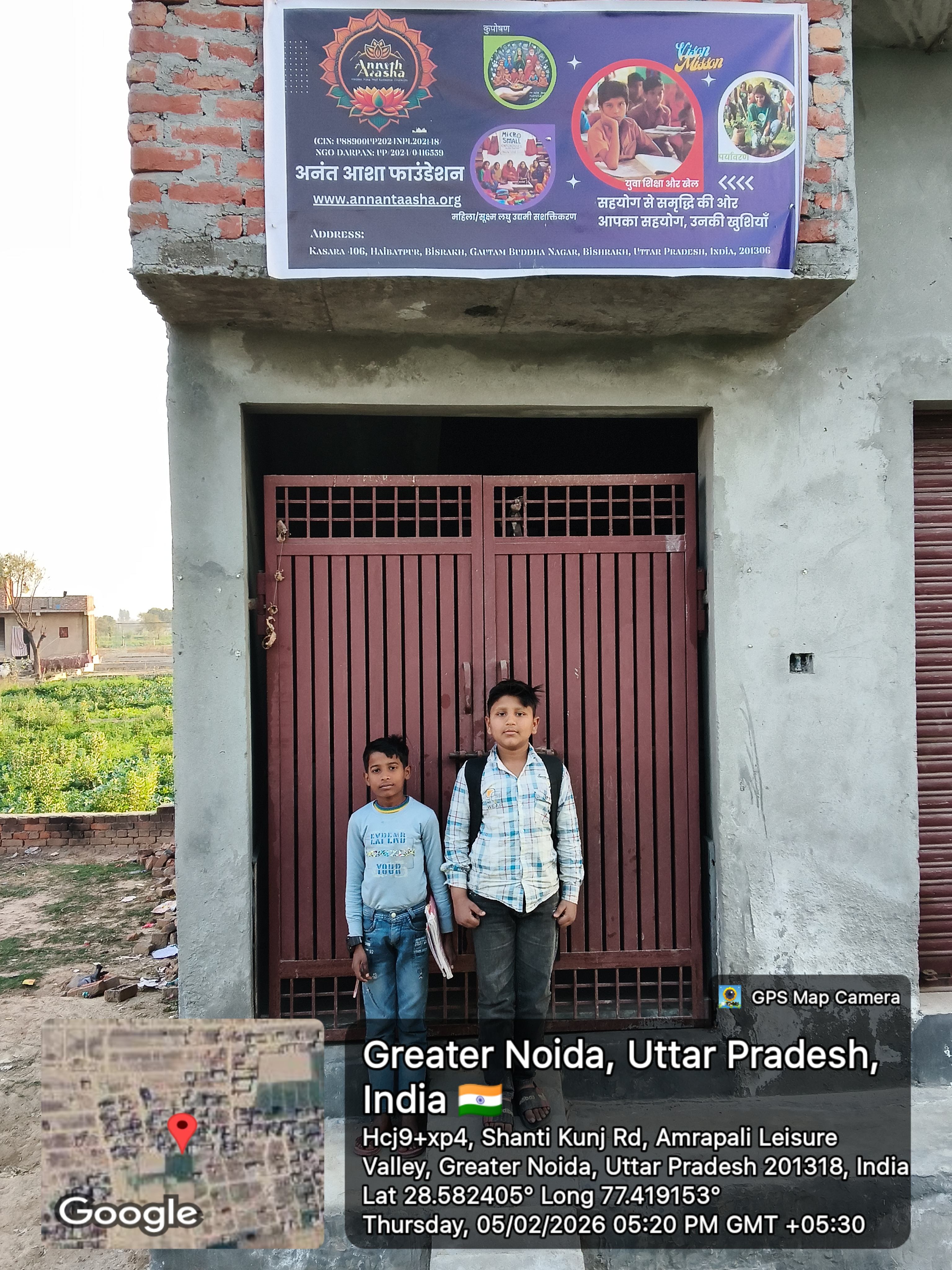
01Open the trail
02Follow the claim
03Good evidence makes it easier to see what is known—and what is not.
Claim → record → evidence

Four simple questions.

01

What happened?

State the activity or claim in plain language.

02

What was recorded?

Show the relevant record, observation or learning result.

03

Where and when?

Add location and time context when it is relevant and appropriate.

04

What was checked?

Explain the verification step instead of using the word “verified” as decoration.

05

Can I inspect it?

Make the underlying evidence or an honest limitation visible.

Important

Never turn sample data into proof.

If a screen contains demonstration records, it must be labelled as demo data. If evidence is incomplete, say that. Trust is built by making the boundary between known and unknown easy to see.

One last thought

You should be able to ask, “How do you know?”

The answer should not be another slogan. It should be a record, a context, a limitation, or a clear explanation of what is still unknown.